One Box at a Time: Why Healing is Like Cleaning Out an Old Attic
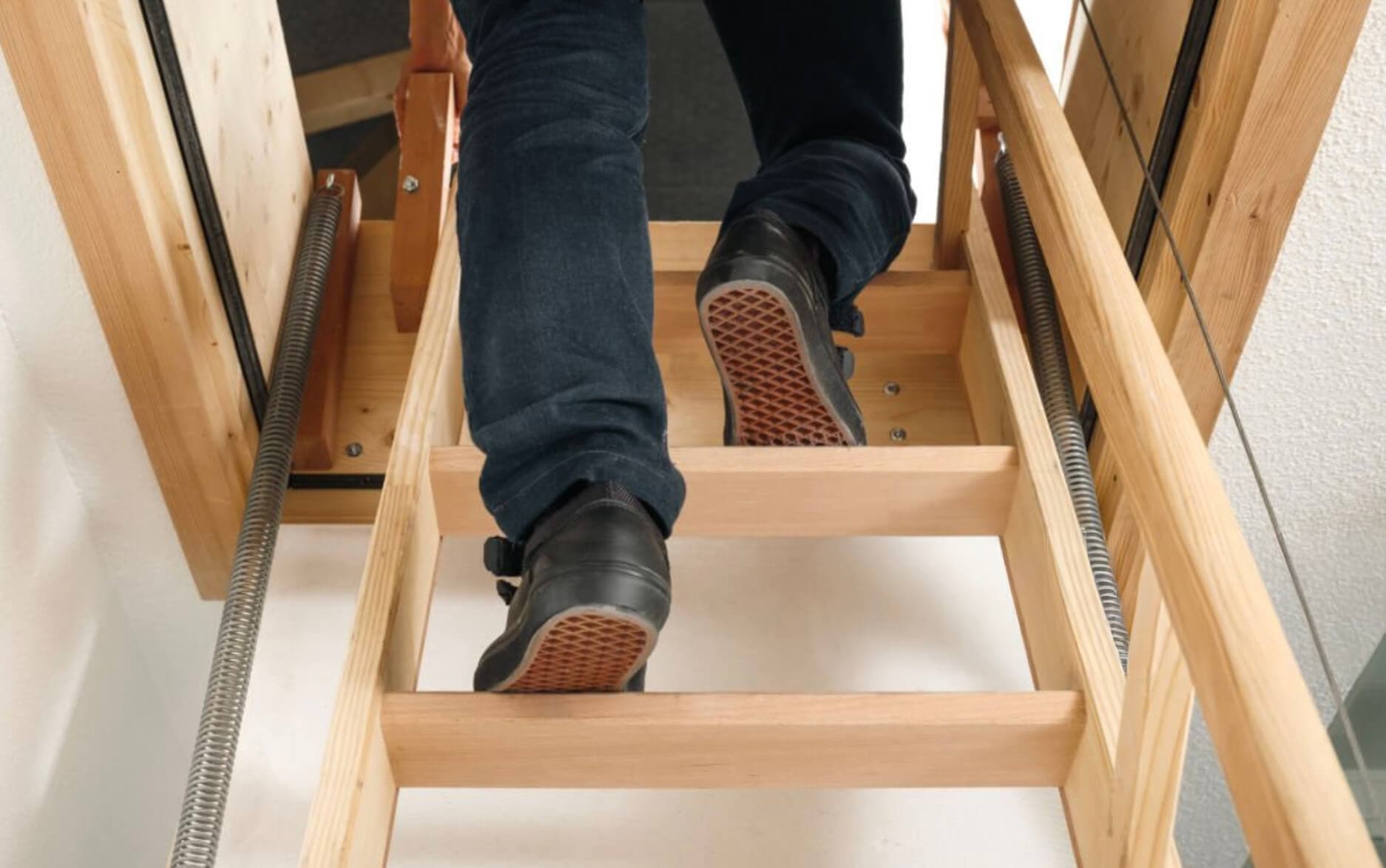
I grew up in a house where one of the bedrooms on the second floor had this heavy, wooden pull-down ladder tucked into the ceiling. It led straight up into the attic. As a kid, that door always felt a bit mysterious (and a bit out of reach). It led to a space filled with artifacts of the time before I was born and things my family rarely used, but we weren't ready to move on from.
I think about that attic a lot when I talk to people about starting trauma therapy.
For a long time, you've kept the attic door shut. You know there's stuff up there, but it's dark, it's dusty, and it's filled with things that don't cross your mind.
Honestly, you're a little afraid of what will fall out if you open that door. So, you just tell yourself, "I'll deal with it next summer," or "It's not that bad; it doesn't affect how I live in the rest of the house."
But eventually, the house starts feeling heavy. You realize you can't truly relax downstairs because you know what's hovering above you.
Gentle trauma therapy isn't about running up there and immediately tossing everything out into a dumpster in one day. It starts with just standing at the bottom of the pull-down ladder. You don't even have to go up yet. You're just acknowledging, "Okay, there's an attic, and it's hiding a lot of stuff from view."
When you finally do open the door, you don't go in alone. Your therapist is like a friend holding a bright flashlight. You aren't turning on a blinding overhead light that shows every cobweb at once. You're just pointing a small beam at one corner. You might see an old shoebox and say, "I think I'm okay with only looking through this today."
In a session, we don't head straight for the giant, heavy trunk in the back corner, representing the "worst thing" that happened. Instead, we might pick up something near the door. Maybe it's just talking about how you aren't sleeping well or how you feel "jumpy" at work. We open it, look at something you haven't seen in a while, and realize, "Okay, I can handle looking at this."
Here is the hardest part for most people...
It's that moment when you're halfway through a box, with cobwebs in your hair, your heart starts racing, and you think, "This was a mistake. I can't do this. It's too much."
In the past, you probably would have slammed the box shut, quickly run down the ladder, and shut the attic door.
But in therapy, this is where we pause. We don't push through the panic. We put the lid back on the box, sit on the floor for a second, and breathe. We remind ourselves that the attic isn't going anywhere, and we have permission to stop.
The goal isn't to have a perfectly empty, sparkling attic by next week. The goal is to get to a place where you can walk up those stairs, look around, and not feel like the ceiling is going to cave in.
You learn that you're the one who owns the house. You're the one with the key. And if all we do today is sweep a little dust off the top step and then go back downstairs to have a glass of water? That is a huge win. That is how the healing starts.
Taking the First Gentle Step Toward Healing
Starting trauma therapy can stir up a lot of mixed feelings. You might feel curious and hopeful, but also nervous, unsure, or even a little skeptical. Maybe you are not sure if what you went through "counts" as trauma, or you worry that talking about it will make everything feel worse. You are not alone in that.
Many people think trauma therapy has to be intense, heavy, or full of painful details. It does not have to be that way. There is another path where you get to move at your own pace, stay grounded, and build trust slowly. At Seeds of Hope, we focus on that kind of gentle, down-to-earth care, where therapy feels more like a real conversation than a cold, clinical interview.
Understanding What Trauma Really Is
Trauma is not only about big, dramatic events. It can also come from quieter, repeated hurts that piled up over time. Things like growing up without much emotional support, being shamed for your feelings, going through scary medical experiences, or being hurt in the name of faith can all leave a mark. Trauma can be what happened to you, but it is also what happened inside you when it all felt like too much.
Some common signs of trauma can look like:
- Trouble sleeping or having intense dreams
- Feeling jumpy, on edge, or easily startled
- Numbing out, zoning out, or "checking out" during stress
- People-pleasing or struggling to say no
- Feeling stuck in the same old patterns with relationships or anger
If any of this sounds familiar, it does not mean you are broken. It means your body and mind did their best to protect you in hard moments. Naming it as trauma is not about blaming yourself, and it simply gives you a clearer direction for healing and care.
Finding the Right Therapist Fit in Springfield
A big part of trauma therapy is finding someone who actually feels like a good fit for you. A "good fit" is not a perfect person; it is someone you feel mostly safe with, who talks like a real human, and respects your pace and your "no." You should not feel talked down to or pressured to share more than you want.
When you are looking for a therapist, it can help to:
- Read therapist bios and see how they describe their style
- Notice words like "trauma-informed," "EMDR," "attachment," or "nervous system"
- Pay attention to your gut reaction as you look at their photo or read their page
Your first few sessions are a two-way interview. It is okay to ask things like, "How do you work with trauma?" or "What happens if I get overwhelmed in session?" or "How will we know if this is helping?" A respectful therapist will welcome those questions. At Seeds of Hope, we aim to be plainspoken and real, giving lots of room for questions and never asking you to unload your whole story on day one.
Gentle Ways to Ease Into Trauma Work
You do not have to start by telling the "worst thing" that ever happened to you. In fact, for many people, that would be way too much for their nervous system. A gentle start might mean talking about what your life looks like right now, how stress shows up in your body, or what you want to feel a little different in the next few months.
Some softer starting points can be:
- "I want to feel less on edge every day."
- "I want to sleep a little better."
- "I am tired of shutting down during conflict."
Your therapist might focus first on coping skills before touching past memories. They may teach grounding tools, like feeling your feet on the floor, slowing your breath, or looking around the room and naming five things you can see. Holding a comforting object, like a piece of jewelry, a stone, or a soft item, can also help you stay present.
Most of all, you are allowed to say, "That is enough for today," or "Can we change the subject for a bit?" Trauma-informed therapy respects that your system has limits. Taking breaks, pausing, and circling back later is not failure; it is wisdom.
What Sessions Can Actually Feel Like
A lot of people picture therapy as someone lying on a couch crying while a therapist silently takes notes. In reality, trauma therapy often looks much simpler. A calm office. A chair or couch. Regular clothes. A conversation at a pace that feels okay for you. There is no grade, no test, and you do not have to perform or impress anyone.
A first session might include:
- A bit of paperwork or basic info
- Some questions about your life, your support system, and what brought you in
- Time for you to share what you are hoping for, even if it is very small or vague
You can expect your therapist to ask what helps you feel safer in the room. They might help you plan what to do if you feel overwhelmed, such as taking a drink of water, standing up and stretching, or focusing on something neutral in the room. Emotions might come up: tears, shaking, feeling blank or distant. These are all normal trauma responses, and a trained therapist will help your body settle, rather than push you to "get through it."
Over time, you may gently begin to process past experiences, but always with grounding, rest, and moments to notice small shifts. Progress might look like one less nightmare, a calmer drive to work, or saying no once when you would have said yes before.
Supporting Yourself Between Sessions
Healing does not only happen in the therapy room. The small ways you care for yourself between sessions also matter. In Springfield, that might look like early-morning walks on a shaded trail, sitting by a park for a few minutes after work, or taking a quiet evening on the porch to feel the air on your skin. Simple moments of calm can help your nervous system learn that not every day is an emergency.
Gentle ideas for between-session care include:
- Short journaling like, "What felt hard this week?" or "When did I feel even five percent safer?"
- Drinking water regularly and trying to eat at least one steady meal
- Light movement, like stretching or walking, especially after a tough session
- Sharing with one safe person, if you have one, that you are starting therapy
You do not have to tell them everything. You might say, "I am trying something new to take care of myself, and I would love a little extra kindness right now." Rest, hydration, and kindness to yourself are not extra credit. They are part of trauma healing.
When Summer Becomes a Fresh Start for Healing
Longer, brighter days can make it feel a little easier to breathe and notice what you need. For some people, the slower feel of summer in Springfield brings space to ask, "What do I want the next season of my life to feel like?" Trauma therapy can be one gentle way to answer that question with care.
You do not have to feel fully "ready" to begin. You only need a small bit of curiosity and a small bit of kindness toward yourself. One tiny next step might be looking up local trauma therapists, sending an email, or setting up a short call to ask your questions. At Seeds of Hope, we believe every small, gentle step you take is a seed you are planting for your future self, who may feel just a little safer, a little softer, and a little more at home in their own body.
Take The Next Step Toward Healing And Stability
If you are ready to move beyond surviving and begin truly healing, we are here to walk alongside you. Learn how our specialized trauma therapy in Springfield, MO can help you feel safer in your body, calmer in your relationships, and more hopeful about your future. At Seeds of Hope, we will collaborate with you to create a plan that fits your story and your pace. Reach out through our contact page to schedule your first appointment or ask any questions.